Pasta Dish Recipes: Easy, Creamy, Healthy & Family-Favorite Meals to Make Today
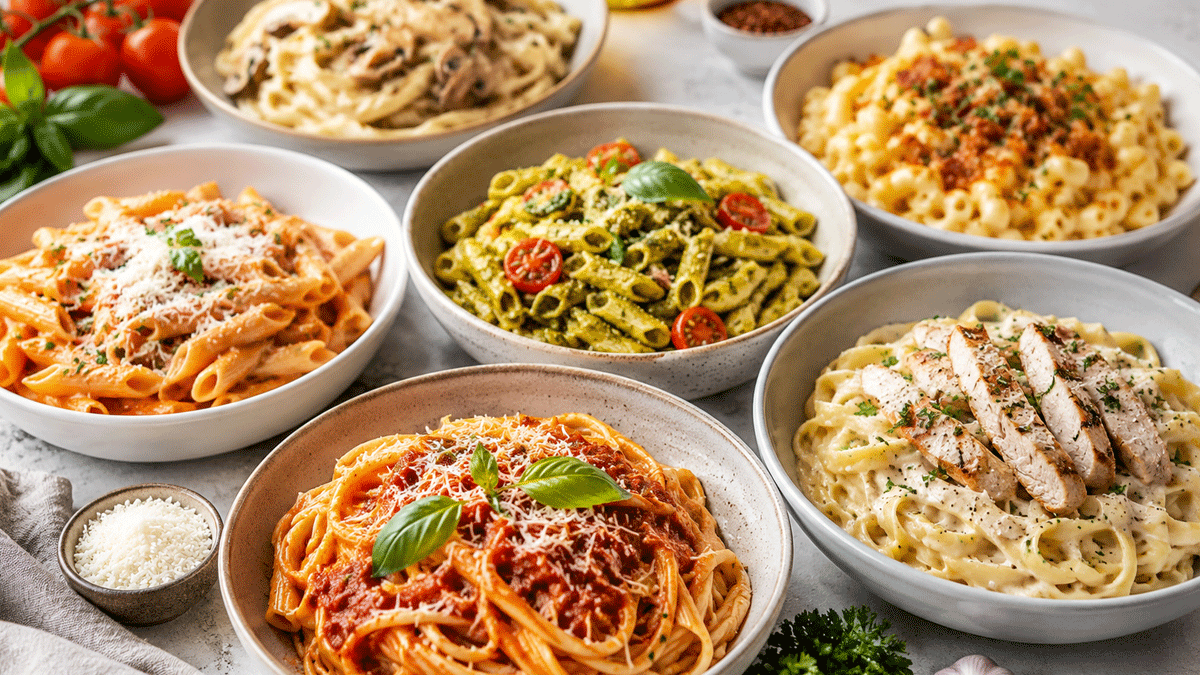
There’s something universally comforting about a steaming bowl of pasta, and it’s no surprise that pasta dish recipes remain some of the most searched and cooked meals around the world. From creamy Alfredo to spicy arrabbiata, pasta has this incredible ability to transform simple ingredients into something deeply satisfying. Whether you grew up watching your grandmother twirl noodles in a rich tomato sauce or discovered your love for Italian cuisine through a restaurant menu, pasta has a way of feeling both familiar and exciting at the same time.
What makes pasta dish recipes so appealing is their sheer versatility. You can go rich and indulgent with butter, cheese, and cream, or keep things light and fresh with olive oil, garlic, and vegetables. Pasta doesn’t discriminate between busy weeknights and slow Sunday dinners; it adapts to whatever mood or occasion you’re cooking for.
In this collection, you’ll find recipes ranging from quick 20-minute meals to more elaborate, restaurant-style dishes worth the extra effort. Grab your favorite pot, and let’s get cooking.
Pasta Dish Recipes for Every Occasion
Pasta has a rare gift: it fits into almost any moment of your life, whether you’re rushing through a hectic Tuesday or slowing down for a weekend gathering. No matter the occasion, there’s always a bowl of pasta that feels just right.
On busy weeknights, quick meals are non-negotiable. A garlic butter spaghetti or a simple aglio e olio comes together in under 20 minutes with pantry staples you likely already have. These recipes prove that fast doesn’t mean flavorless, especially when a few good ingredients are all it takes.
Then there are the comfort food favorites, the dishes we turn to when we need something warm and familiar. Think creamy baked ziti, cheesy lasagna, or a rich fettuccine Alfredo. These recipes are less about speed and more about indulgence, perfect for a cozy night in.
Cooking on a budget doesn’t mean sacrificing flavor either. Budget-friendly pasta dishes like a classic marinara or a simple pasta with beans and greens show how a handful of affordable ingredients can still deliver big taste. These recipes are ideal for stretching groceries without compromising on satisfaction.
For households with picky eaters, family-friendly recipes bring everyone to the table. Mild dishes like buttered noodles with parmesan, or a simple meat sauce, tend to please both kids and adults alike, making dinnertime a little less stressful.
What ties all these categories together is pasta’s incredible adaptability. Whether you need something fast, comforting, affordable, or kid-approved, there’s a recipe suited to the moment. It’s this flexibility that keeps pasta such a staple in kitchens everywhere, no matter the day or the occasion calling for it.
Pasta Dish Recipes by Style and Ingredient
Pasta’s versatility really shines when you look at how many different directions a single ingredient can take. From tangy tomato-based sauces to indulgent baked cheese dishes, and from lean proteins to plant-based options, there’s a pasta dish recipe suited to every craving, dietary preference, and occasion.
Alfredo Pasta Recipes
Alfredo pasta is the gold standard of creamy dishes, known for its luxurious blend of butter, cream, and parmesan cheese. The magic lies in its simplicity: heavy cream is gently simmered with butter, then finished with freshly grated parmesan until it melts into a smooth, glossy sauce that clings beautifully to fettuccine or any long pasta shape.
What makes a great Alfredo is balance. Too much cream can overpower the dish, while too little leaves it thin and lacking richness. A touch of pasta water helps loosen the sauce to the perfect consistency, while freshly cracked black pepper adds a subtle warmth that cuts through the richness.
While classic Alfredo sticks to just a few core ingredients, many variations add grilled chicken, sautéed vegetables, or even a hint of nutmeg for extra depth. No matter the variation, Alfredo remains one of the most requested creamy pasta dish recipes for good reason: it’s indulgent, comforting, and endlessly satisfying.
Creamy Mushroom Pasta
Creamy mushroom pasta combines earthy, savory mushrooms with a rich, velvety sauce for a deeply satisfying dish. Sautéing mushrooms until golden brings out their natural umami flavor, which pairs beautifully with cream, garlic, and a splash of white wine or broth.
As the sauce simmers, it thickens slightly and takes on the mushrooms’ earthy essence, creating a sauce that feels hearty despite being meatless. Parmesan cheese is often stirred in at the end, adding a salty, nutty finish that rounds out the dish.
This recipe is especially popular among vegetarians looking for a filling, flavorful pasta option that doesn’t skimp on richness or depth.
Minimal Ingredient Pasta Recipes
Sometimes the best pasta dishes come from just a handful of ingredients, proving that you don’t need a long grocery list to create something delicious. Minimal ingredient pasta recipes lean on quality staples like olive oil, garlic, cheese, and pasta itself, letting each component shine without unnecessary additions.
Cacio e pepe is a perfect example, made with just pasta, pecorino cheese, and black pepper, yet delivering incredible depth of flavor through technique alone. Similarly, a simple olive oil and garlic pasta requires little more than good olive oil, fresh garlic, and red pepper flakes to create something deeply satisfying.
These recipes are especially useful when your pantry is running low or when you simply want a dish that feels uncomplicated, allowing the natural flavors of a few quality ingredients to take center stage.
Garlic Parmesan Pasta
Garlic parmesan pasta takes the richness of a cream sauce and infuses it with bold, aromatic garlic flavor. Butter and minced garlic are gently cooked until fragrant, then combined with cream and parmesan to create a sauce that’s both savory and slightly sharp from the cheese.
This dish works wonderfully as a standalone meal or as a base for add-ins like grilled chicken, roasted vegetables, or crispy bacon. The key to a great garlic parmesan sauce is not rushing the garlic; letting it cook low and slow prevents bitterness while allowing its flavor to fully infuse the butter.
Finished with fresh parsley and extra parmesan on top, this dish delivers big flavor with minimal ingredients, making it a favorite for those who love garlicky, cheesy comfort food.
Beginner-Friendly Pasta Dishes
For those just starting out in the kitchen, beginner-friendly pasta dishes offer a low-pressure way to build confidence. These recipes typically involve straightforward techniques: boiling pasta, sautéing a few ingredients, and combining everything with a simple sauce. There’s little room for error, which makes them ideal for first-time cooks.
A basic buttered pasta with parmesan is a perfect starting point, requiring nothing more than cooked noodles, butter, and cheese. From there, beginners can move on to a simple tomato pasta, learning how to build flavor with garlic, canned tomatoes, and dried herbs. These dishes teach foundational cooking skills like seasoning to taste and understanding pasta water’s role in a sauce.
What makes these recipes so approachable is their forgiving nature; even small mistakes rarely ruin the final dish, allowing new cooks to learn through hands-on practice.
15-Minute Pasta Recipes
When time is tight, 15-minute pasta recipes come to the rescue. These dishes rely on fast-cooking pasta shapes like angel hair or thin spaghetti, paired with sauces that require little more than heating through. The trick is prepping your ingredients while the pasta water boils, so everything comes together almost simultaneously.
A go-to option is garlic butter pasta with parmesan, where butter, garlic, and starchy pasta water combine into a silky sauce in just minutes. Another quick favorite is a lemon herb pasta, tossing cooked noodles with olive oil, lemon zest, and fresh herbs for a bright, refreshing dish.
Tomato-Based Pasta Dish Recipes
Tomato-based pasta dishes are the foundation of countless Italian classics, prized for their bright acidity and rich, slow-simmered flavor. Whether made with fresh tomatoes or good-quality canned varieties, a well-made tomato sauce brings depth to even the simplest pasta dish.
Marinara is the most familiar starting point, built from garlic, olive oil, crushed tomatoes, and fresh basil, simmered until the flavors meld together. Arrabbiata takes things up a notch with crushed red pepper flakes, adding heat to the classic tomato base. For something heartier, a Bolognese-style tomato sauce incorporates ground meat, slow-cooked until deeply savory.
The beauty of tomato-based sauces lies in their adaptability. A splash of cream can mellow the acidity into a rosé-style sauce, while fresh herbs like oregano and thyme add complexity. Roasted garlic or caramelized onions can also deepen the flavor further, making tomato sauce a canvas rather than a fixed formula.
These dishes work beautifully with almost any pasta shape, from spaghetti to penne, and they reheat well, making them ideal for meal prep. Tomato-based pasta remains a kitchen staple because it’s simple, comforting, and endlessly customizable to whatever you have on hand.
Cheesy Baked Pasta Dish Recipes
Cheesy baked pasta dishes bring a comforting, oven-baked twist to traditional stovetop meals. These recipes typically involve layering cooked pasta with sauce and cheese, then baking until bubbly and golden, creating a dish with crisp edges and a gooey, melted center.
Baked ziti is a beloved classic, combining pasta with marinara, ricotta, and mozzarella before baking until the top turns golden and slightly crisp. Lasagna takes this concept further, layering pasta sheets with meat sauce, ricotta, and mozzarella for a hearty, multi-layered dish. Mac and cheese, while simpler, follows the same principle, relying on a creamy cheese sauce baked until the top forms a slightly crispy crust.
What makes these dishes so satisfying is the contrast in textures: soft, saucy pasta beneath a layer of melted, sometimes crispy cheese. Breadcrumbs are often added on top for extra crunch, while a mix of cheeses, like mozzarella, parmesan, and ricotta, adds complexity to the flavor.
These recipes are particularly popular for gatherings and potlucks since they can be assembled ahead of time and baked just before serving, making them practical as well as delicious.
One-Pot Pasta Dish Recipes
One-pot pasta dishes simplify cooking by combining the pasta, sauce, and any proteins or vegetables into a single pot from start to finish. This method not only saves time but also results in deeper flavor, since the pasta absorbs the surrounding liquid as it cooks, releasing starch that naturally thickens the sauce.
A one-pot creamy tomato pasta is a great example, where pasta simmers directly in a mixture of broth, crushed tomatoes, and cream until perfectly tender. Similarly, a one-pot sausage and spinach pasta allows the sausage to render its fat into the sauce, infusing the entire dish with savory flavor as everything cooks together.
The convenience of these recipes makes them especially appealing for busy households, since there’s minimal cleanup and less multitasking involved. Instead of juggling multiple pots and pans, everything comes together in one vessel, reducing both prep and cook time.
Beyond convenience, one-pot pasta dishes tend to have a more cohesive flavor profile, since every ingredient cooks together rather than being combined at the end. It’s an approach that proves easier cooking doesn’t mean sacrificing taste.
Healthy Pasta Dish Recipes
Healthy pasta dish recipes prove that this comfort food staple can fit into a balanced diet without sacrificing flavor. By focusing on lean proteins, whole grain or vegetable-based pasta, and lighter sauces, these dishes offer nourishing alternatives to heavier, cream-laden classics.
A whole wheat pasta primavera loaded with seasonal vegetables like zucchini, bell peppers, and cherry tomatoes offers fiber and nutrients alongside a light olive oil and herb dressing. Another popular option is zucchini noodle pasta, swapping traditional noodles for spiralized vegetables to cut down on carbs while still delivering a satisfying, pasta-like texture.
Lean proteins like grilled chicken or shrimp are often incorporated to boost the nutritional value, while sauces lean toward olive oil, lemon, and fresh herbs rather than heavy cream or excessive cheese. Whole grain and legume-based pastas, made from lentils or chickpeas, have also become popular for their added protein and fiber content.
These recipes show that eating healthy doesn’t mean giving up pasta entirely; it simply means being mindful of ingredient choices while still enjoying the comforting, satisfying nature of a well-made pasta dish.
Vegetarian Pasta Dish Recipes
Vegetarian pasta dishes prove that meatless meals can be just as hearty and flavorful as their meat-based counterparts. By leaning on vegetables, legumes, and cheese, these recipes create satisfying dishes without relying on animal protein.
A classic vegetable primavera combines a colorful medley of seasonal produce with pasta and a light garlic butter or olive oil sauce. Eggplant parmesan pasta, inspired by the classic Italian dish, layers roasted eggplant with marinara and melted mozzarella for a rich, satisfying meal. Another favorite is a creamy spinach and ricotta pasta, where wilted spinach and creamy ricotta combine for a dish that feels indulgent despite being entirely plant-based aside from the dairy.
Legumes like chickpeas or white beans are often added for extra protein and texture, helping these dishes feel just as filling as meat-based versions. Roasted vegetables, caramelized onions, and fresh herbs also play a big role in building depth of flavor.
These recipes are ideal for anyone looking to incorporate more meatless meals into their routine, offering variety without compromising on taste or satisfaction.
Vegan Pasta Dish Recipes
Vegan pasta dishes take things a step further, eliminating dairy and animal products entirely while still delivering rich, satisfying flavor. These recipes often rely on plant-based substitutes like cashew cream, nutritional yeast, and olive oil to replicate the richness typically found in traditional pasta sauces.
A vegan cashew alfredo is a popular choice, blending soaked cashews with garlic, nutritional yeast, and plant-based milk to create a creamy, cheese-like sauce without any dairy. Another favorite is a vegan Bolognese, using lentils or plant-based ground meat alternatives to replicate the heartiness of a traditional meat sauce.
Roasted vegetables, mushrooms, and legumes often play a central role in vegan pasta dishes, adding both texture and umami flavor. Nutritional yeast is a common ingredient as well, offering a cheesy, savory taste without any dairy involved.
These recipes show that going vegan doesn’t mean giving up the comfort and richness associated with classic pasta dishes; with the right ingredients, plant-based pasta can be just as indulgent and satisfying.
Chicken Pasta Dish Recipes
Chicken pasta dishes are a go-to for anyone looking to add lean protein to their meal without sacrificing flavor. Chicken’s mild taste makes it incredibly versatile, pairing well with everything from creamy sauces to light, herb-based dressings.
A classic chicken alfredo combines tender, pan-seared chicken with a rich, creamy parmesan sauce for an indulgent, comforting dish. For something lighter, a lemon garlic chicken pasta uses olive oil, fresh lemon juice, and garlic to create a bright, zesty dish that feels refreshing rather than heavy. Cajun chicken pasta is another popular variation, adding bold, spicy seasoning to a creamy sauce for a dish with a flavorful kick.
Chicken breast tends to be the most common choice for its lean protein content, though thighs are often used for their extra juiciness and flavor. Pairing chicken with vegetables like spinach, sun-dried tomatoes, or mushrooms further enhances the dish’s nutritional value and complexity.
These recipes remain popular because chicken absorbs flavors well, making it an easy addition to almost any pasta sauce, whether creamy, tomato-based, or oil-based.
Beef Pasta Dish Recipes
Beef pasta dishes bring a heartier, richer element to the table, often serving as filling, satisfying meals perfect for family dinners. Ground beef, in particular, is a popular choice for its ability to absorb sauce and add substantial texture to a dish.
A classic Bolognese remains one of the most beloved beef pasta recipes, slow-simmering ground beef with tomatoes, garlic, and herbs until deeply flavorful. Beef stroganoff pasta offers another comforting option, combining tender beef strips with a creamy mushroom sauce for a dish that feels indulgent and satisfying. For a quicker option, a beef and tomato skillet pasta combines ground beef with a simple tomato sauce for an easy, weeknight-friendly meal.
Beyond ground beef, thinly sliced steak or beef strips are sometimes used for a more elevated presentation, particularly in stroganoff-style dishes. Seasoning plays a key role here, with garlic, onion, and Italian herbs commonly used to enhance the beef’s natural richness.
These recipes are especially popular during colder months, offering a hearty, warming meal that feels both comforting and substantial.
Seafood Pasta Dish Recipes
Seafood pasta dishes offer a lighter yet equally satisfying alternative to heavier meat-based options, often highlighting fresh, delicate flavors. Shrimp, scallops, and clams are among the most popular seafood choices, each bringing a unique texture and taste to the dish.
A classic shrimp scampi combines garlic, butter, white wine, and lemon for a light yet flavorful sauce that perfectly complements the sweetness of shrimp. Linguine alle vongole, a traditional Italian dish, pairs clams with garlic, olive oil, and white wine for a briny, oceanic flavor. Creamy seafood pasta, incorporating a mix of shrimp and scallops, offers a richer, more indulgent take for those wanting something more decadent.
Seafood cooks quickly, making these dishes ideal for those short on time, though care must be taken not to overcook delicate proteins like shrimp or scallops. Fresh herbs like parsley, along with a squeeze of lemon, are commonly used to brighten the dish and balance the richness of butter or cream-based sauces.
These recipes are particularly popular for special occasions or date nights, offering an elegant, restaurant-quality meal that comes together surprisingly quickly at home.
Sausage Pasta Dish Recipes
Sausage pasta dishes bring bold, savory flavor to the table, thanks to the seasoning already packed into the sausage itself. Whether using Italian sausage, chorizo, or spicy varieties, these dishes tend to require minimal additional seasoning since the sausage does much of the flavor work.
A classic sausage and peppers pasta combines sliced Italian sausage with bell peppers and onions in a light tomato sauce, creating a dish that’s hearty yet balanced. Creamy sausage pasta takes things in a richer direction, incorporating cream and parmesan alongside crumbled sausage for an indulgent, comforting meal. For those who enjoy heat, a spicy sausage arrabbiata pairs sausage with a fiery tomato sauce for a dish with serious kick.
The rendered fat from the sausage often becomes the base for the sauce, infusing the entire dish with deep, savory flavor. Vegetables like spinach, kale, or roasted tomatoes are commonly added, both for nutritional balance and to cut through the richness of the sausage.
These recipes remain a favorite for their bold flavor and simplicity, requiring minimal ingredients to create a dish that feels deeply satisfying and full of character.
Serving Ideas for Pasta Dish Recipes
A great pasta dish deserves an equally great presentation, and small touches can turn a simple weeknight meal into something that feels special. Thinking beyond the plate itself opens up plenty of ways to elevate your pasta night.
Pairing pasta with the right side dishes can round out the meal beautifully. A crisp green salad with a light vinaigrette offers a refreshing contrast to richer, creamier pasta dishes, while garlic bread or a warm baguette is perfect for soaking up any leftover sauce. For heartier tomato-based dishes, roasted vegetables like asparagus or zucchini make a colorful, nutritious addition to the table.
Garnishing your pasta thoughtfully can also make a noticeable difference. Fresh herbs like basil, parsley, or chives add a pop of color and a burst of freshness, while a generous sprinkle of freshly grated parmesan or pecorino enhances flavor right before serving. A drizzle of good-quality olive oil or a squeeze of lemon can brighten heavier dishes just before they hit the table.
When it comes to plating, serving pasta in wide, shallow bowls rather than flat plates helps keep sauce contained and makes for a more elegant presentation. Twirling long pasta shapes like spaghetti or fettuccine into neat nests also adds a nice visual touch for dinner parties or special occasions.
For gatherings, consider setting up a pasta bar with a few sauce options, proteins, and toppings, allowing guests to customize their own bowls. This works especially well for casual get-togethers where variety is appreciated.
Finally, don’t underestimate the power of good wine pairings, whether it’s a light white for seafood pasta or a bold red alongside a hearty meat sauce, to complete the dining experience.
Storage and Reheating Tips
Cooking a big batch of pasta often means leftovers, and knowing how to store them properly makes all the difference in how good that second serving tastes. With a few simple habits, you can keep your pasta dishes fresh and flavorful for days.
Start by letting your pasta cool to room temperature before storing it. Placing hot pasta directly into the fridge can raise the internal temperature of your refrigerator, potentially affecting other stored food, and it can also lead to condensation that makes your pasta soggy.
Once cooled, transfer pasta into airtight containers. This keeps out excess moisture and prevents the dish from absorbing other odors in the fridge. Most pasta dishes will stay fresh for three to five days when stored properly, though cream-based sauces tend to hold up slightly less well than tomato-based ones.
If you’re storing pasta and sauce separately, that’s often the better approach, especially for dishes with delicate proteins like shrimp or seafood. Keeping components apart helps prevent overcooking during reheating and preserves texture more effectively.
For reheating, the stovetop is usually your best bet. Add a splash of water, broth, or milk to loosen the sauce, then warm the pasta over low to medium heat, stirring occasionally until heated through. This method helps revive the sauce’s original consistency, especially for creamy dishes that tend to thicken in the fridge.
Microwaving works in a pinch, but it’s best done in short intervals with a bit of added liquid to prevent the pasta from drying out or reheating unevenly.
For baked pasta dishes like ziti or lasagna, covering the dish with foil and reheating in the oven helps maintain moisture while still achieving that slightly crisp top layer.
With the right storage and reheating approach, leftover pasta can taste nearly as good as the day it was made.
Frequently Asked Questions (FAQs)
What Are The Easiest Pasta Dish Recipes For Beginners?
If you’re just starting out in the kitchen, you’ll want to stick with recipes that use minimal ingredients and simple techniques. A basic buttered pasta with parmesan is one of the easiest places to begin, requiring nothing more than cooked noodles, melted butter, and freshly grated cheese. From there, you can move on to a simple garlic butter pasta or a beginner-friendly tomato sauce made with canned tomatoes, garlic, and dried herbs.
These dishes are forgiving by nature, meaning small mistakes rarely ruin the final result. You’ll also find that mastering these basics teaches you essential skills, like how to season properly and use starchy pasta water to bring a sauce together, which you can apply to more advanced recipes later on.
Which Pasta Shape Works Best With Creamy Sauces?
When you’re making a creamy pasta dish, you’ll generally want to reach for shapes that have more surface area or ridges to hold onto the sauce. Fettuccine is a classic choice for creamy dishes like Alfredo, since its wide, flat shape allows the sauce to cling evenly with every bite. Penne and rigatoni also work exceptionally well, as their ridged exteriors and hollow centers trap sauce both inside and out.
You should avoid using very thin pasta shapes, like angel hair, for heavier cream sauces, since they tend to get overwhelmed and clump rather than evenly coat. If you’re making a lighter cream sauce, however, spaghetti can still work nicely, especially when tossed thoroughly before serving.
Can Pasta Dishes Be Made Ahead Of Time?
Yes, many pasta dishes can absolutely be made ahead of time, which makes them ideal for meal prepping or entertaining. Baked pasta dishes like lasagna or baked ziti are especially well-suited for this, since you can assemble them a day in advance and simply bake them when you’re ready to serve.
For stovetop dishes, you’ll get the best results by storing the pasta and sauce separately, then combining them just before reheating. This helps prevent the noodles from becoming mushy or overly soft as they sit. If you’re planning to make a dish ahead, slightly undercooking the pasta initially can also help it hold its texture better once reheated.
How Do You Keep Leftover Pasta From Drying Out?
To prevent your leftover pasta from drying out, you’ll want to store it in an airtight container as soon as it cools to room temperature. Adding a small drizzle of olive oil before sealing the container can also help keep the noodles from sticking together and losing moisture.
When you’re ready to reheat, adding a splash of water, broth, or milk is key. This extra liquid helps revive the sauce and keeps the pasta from turning dry or clumpy, especially if you’re reheating on the stovetop or in the microwave. Reheating slowly over low heat, rather than blasting it on high, will also help maintain a better texture overall.
What Are The Best Proteins To Add To Pasta Dish Recipes?
You have plenty of protein options when it comes to pasta, and the best choice often depends on the flavor profile you’re going for. Chicken is one of the most versatile options, working well in creamy, tomato-based, or herb-forward dishes alike. Ground beef or Italian sausage adds heartiness, making them ideal for richer sauces like Bolognese.
If you’re in the mood for something lighter, shrimp or other seafood cook quickly and pair beautifully with garlic, butter, or white wine-based sauces. For plant-based options, you might consider chickpeas, white beans, or lentils, which add both protein and texture without needing any meat at all.
Can I Make Gluten-Free Pasta Dish Recipes?
Absolutely, gluten-free pasta has become widely available and works well in nearly any recipe that calls for traditional pasta. You’ll find options made from rice, corn, chickpeas, or lentils, each offering a slightly different texture and flavor. Chickpea and lentil-based pastas, in particular, tend to hold up well in heartier sauces due to their firmer texture.
When cooking gluten-free pasta, you should keep a close eye on the cooking time, since it can turn mushy more quickly than traditional wheat pasta if left in boiling water too long. Rinsing gluten-free pasta briefly after draining can also help prevent excess starchiness or clumping.
What Vegetables Pair Well With Pasta Dishes?
Nearly any vegetable can find its way into a pasta dish, but some pair particularly well due to their texture and flavor. Spinach and kale wilt down nicely into creamy or tomato-based sauces, adding both color and nutrients without overpowering the dish. Roasted vegetables like zucchini, bell peppers, and cherry tomatoes bring natural sweetness and a slightly caramelized flavor that complements both light and rich sauces.
Mushrooms are another popular choice, especially in creamy pasta dishes, since they add a deep, earthy flavor. If you’re looking for something with a bit of crunch, broccoli or asparagus can offer a nice textural contrast, particularly in olive oil-based or lighter pasta dishes.
How Long Can Cooked Pasta Be Stored In The Refrigerator?
Cooked pasta can typically be stored in the refrigerator for three to five days, as long as it’s kept in an airtight container. You’ll want to make sure the pasta has cooled to room temperature before sealing it, since trapping heat inside a container can create excess condensation and lead to a soggier texture.
If your pasta dish contains seafood or dairy-based sauces, it’s best to stick closer to the three-day mark, since these ingredients tend to spoil faster than tomato-based or oil-based sauces. When in doubt, always give your leftovers a quick smell and visual check before reheating and eating.
Final Verdict
There’s a reason pasta continues to hold such a special place in kitchens everywhere: it’s forgiving, versatile, and endlessly capable of adapting to whatever mood or occasion calls for it. From quick weeknight meals to indulgent, restaurant-style dinners, pasta dish recipes offer something for every skill level and craving.
Whether you’re drawn to rich, creamy sauces, bright tomato-based classics, or lighter, vegetable-packed options, the beauty of pasta lies in how easily it can be customized. Swapping proteins, experimenting with different pasta shapes, or adjusting a sauce to fit your dietary needs means you’ll never run out of new combinations to try.
At the end of the day, cooking pasta is less about following strict rules and more about enjoying the process. With so many pasta dish recipes to explore, there’s always room to experiment, refine your favorites, and discover new go-to meals that bring comfort to your table, one bowl at a time.